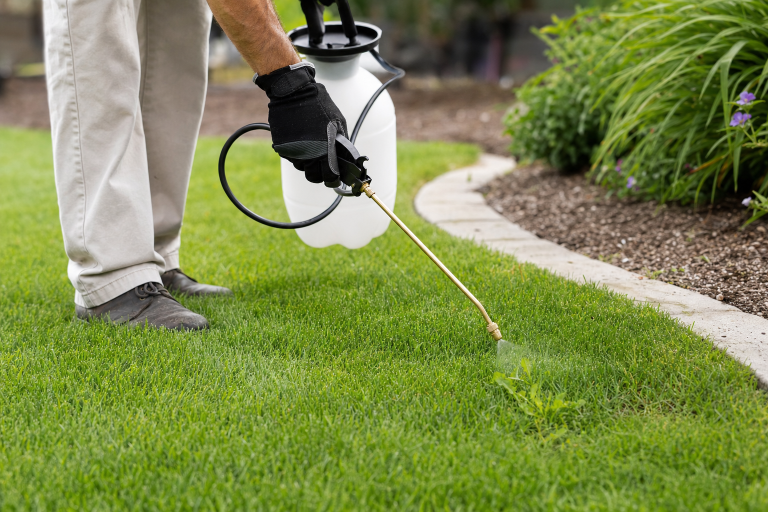
Your Lawn Is Telling You Something Right Now – Are You Listening?
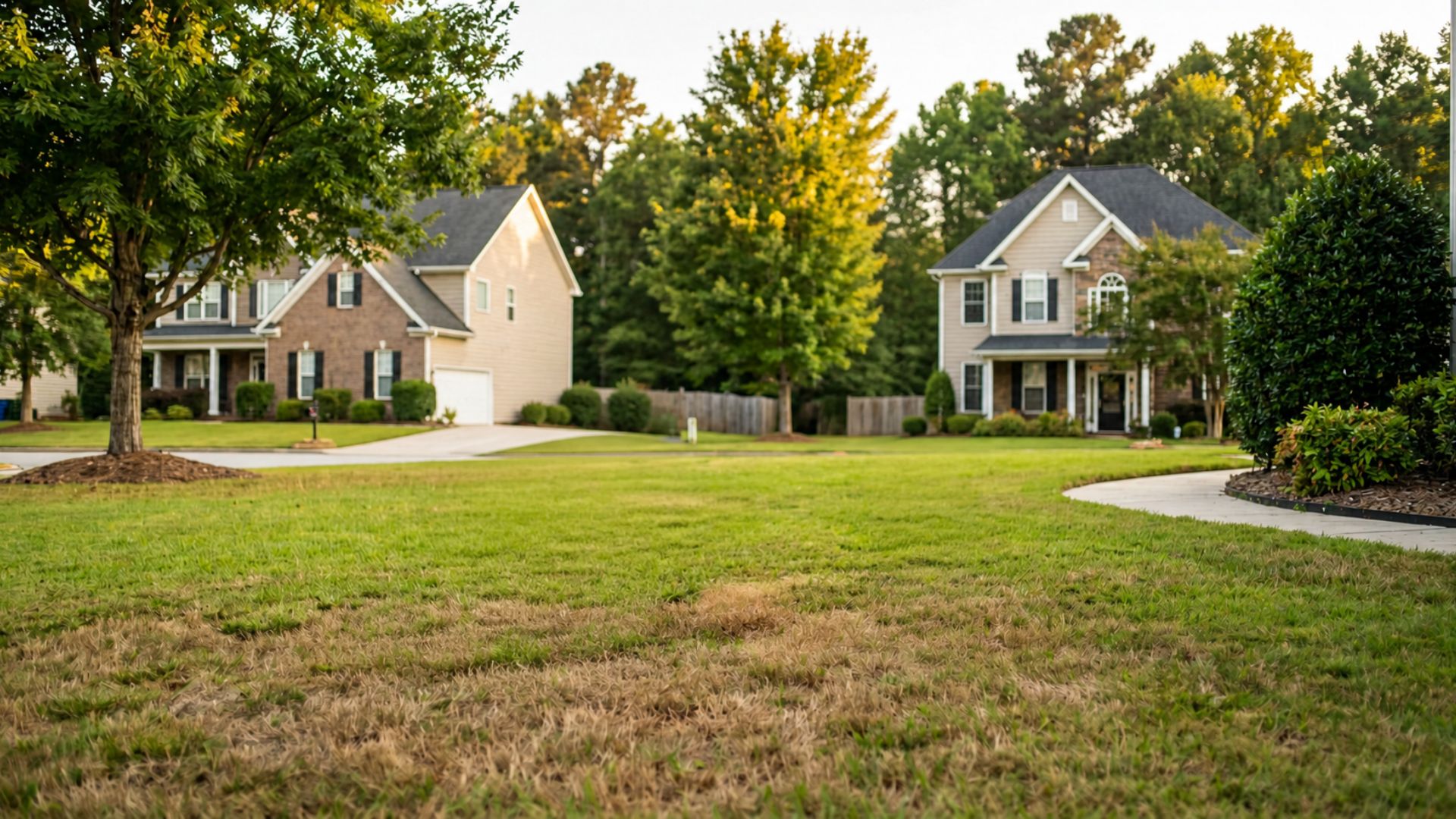
Here is how it usually starts. A homeowner in Augusta, GA calls us about aeration because their lawn feels compacted and water is pooling in low spots near the backyard. Augusta’s heavy clay soil holds moisture in ways that accelerate fungal pressure, and we see the consequences every May. We come out, take a look, and before we even talk about core aeration, something else catches our eye: irregular brown patches spreading across the turf, a slightly sunken texture in the grass blades, and that faint musty smell that experienced lawn professionals recognize immediately. What started as a conversation about soil compaction turns into a conversation about lawn disease treatment Augusta GA homeowners needed weeks ago but did not know it yet. This happens more in May than any other month, and right now, your lawn may be sending the same signals.
Why May Is the Most Dangerous Month for Augusta Lawns
Augusta’s climate does something particularly punishing in May. Overnight temperatures stay warm enough to keep fungal spores active, daytime heat builds fast, and the humidity that rolls in off the Savannah River corridor keeps grass blades damp for hours after morning dew. That combination creates a near-perfect incubation environment for brown patch, dollar spot, and pythium blight, which are the three diseases we see most often across neighborhoods like Summerville, Belair, and the newer subdivisions out toward Grovetown and Evans.
The problem with lawn disease in this region is that it moves faster than most homeowners expect. A patch that looks like drought stress on Monday can double in size by Friday if conditions hold. By the time the damage is obvious, the fungus has already spread through the root zone and recovery takes significantly longer. This is why our team treats May as a critical intervention window, not a monitoring period.
If your lawn was aerated this spring, pay close attention. Aeration opens up the soil profile, which is exactly what compacted Augusta clay needs. But those same channels can also give surface fungal spores a direct path to the root zone if disease pressure is already present. A healthy aeration program and a proactive lawn disease treatment Augusta GA plan work together. One without the other leaves a gap.
What to Look For Before You Call for Lawn Disease Treatment Augusta GA
You do not need to diagnose the disease yourself, but you do need to know when something is wrong. Walk your lawn this week and look for these specific signs:
- Circular or irregular patches of tan, brown, or straw-colored grass that appear suddenly rather than gradually
- Grass blades that look water-soaked or dark in the early morning before the dew burns off
- A visible ring of darker, slightly wilted grass surrounding a lighter dead center, which is a classic brown patch pattern
- Thin, thread-like webbing across the turf surface in the early morning hours, which points toward pythium
- Spots that do not respond to watering and actually seem to worsen after rain or irrigation
Any one of these signs warrants a professional look. Our team can walk the lawn, identify the pathogen, and recommend the right fungicide application before the damage spreads. We have seen lawns in Martinez and North Augusta recover fully when caught early in May. The same lawns, treated in July, often need full renovation. Timing is everything with lawn disease treatment Augusta GA.
The Services That Work Together Right Now
Lawn disease rarely shows up alone. In most cases we investigate, there are two or three contributing factors happening at the same time. A lawn that is undernourished is more vulnerable to fungal infection. A lawn with active insect pressure has compromised turf that cannot fight off disease. And a lawn overrun with weeds has competition stress that weakens the root system before disease even arrives.
This is why our May service recommendations typically address several things at once. Proper fertilization strengthens the turf’s natural defenses, though timing and product selection matter enormously in the heat. Our post on why lawn fertilization matters when weeds keep returning explains that connection in detail. Weed control reduces competition so treated turf can recover faster. And if you are seeing irregular damage that does not match typical disease patterns, lawn insect activity may be a contributing factor. Our spring insect guide covers the insects Augusta homeowners need to watch for at exactly this time of year.
Do not overlook your trees and shrubs while you are focused on the turf. May heat and humidity stress ornamentals just as much as grass, and shrub and tree diseases can take hold quickly without proper nutritional support. A complete property assessment covers all of it in one visit.
The Window You Have Right Now Is Closing
Our team is currently scheduling lawn assessments across Augusta and the surrounding communities, including Hephzibah, Harlem, Aiken, and Appling. May is the month where early action pays off. Once June arrives and soil temperatures consistently push above 90 degrees, active fungal infections become much harder to control and recovery timelines stretch from weeks into months. A lawn that needs lawn disease treatment Augusta GA today but does not receive it until late June is a lawn that may not fully recover before fall.
If you have noticed anything unusual in your turf this spring, or if you simply want a professional set of eyes before the heat locks in, reach out to our team now. The next four weeks matter more than any other period in the Augusta lawn care calendar.
If you are planning this kind of work, contact Augusta Grass Masters to talk through the next step for your property.