Edgefield, SCLawn Care Services
Lawn fertilization and weed control for homes in and around Edgefield.
Lawn Fertilization and Weed Control in Edgefield, SC
Edgefield is the county seat of Edgefield County, which calls itself the Home of Ten Governors. The county lies on the South Carolina side of the Savannah River, across from Augusta, along the fall line where the Piedmont meets the Sandhills. Historically the land here was split by that line, with clay soils to the northwest and sandy soils to the southeast. The county’s alkaline-glazed pottery tradition grew out of local clay deposits, and its peach orchards grow in the Ridge section.
That split matters for a lawn. A yard on clay holds water and packs down hard in summer. A yard on sand drains fast and holds nutrients poorly. Augusta Grass Masters has served the area since 2009, and our standard recommendation for Edgefield lawns is the same eight-round fertilization and weed control program we recommend everywhere, adjusted through the year for rain and for how each lawn responds.
What We Treat in Edgefield
Our Edgefield service covers the lawn and the plants around it: fertilization and weed control, treatment for lawn diseases such as brown patch and dollar spot, lawn insect control, aeration, shrub and tree fertilization, treatment for shrub and tree diseases and insects, and mosquito control. Clemson Extension lists bermudagrass, centipedegrass, zoysiagrass, and St. Augustinegrass as the warm-season grasses best suited to South Carolina, and each one needs a different feeding schedule.
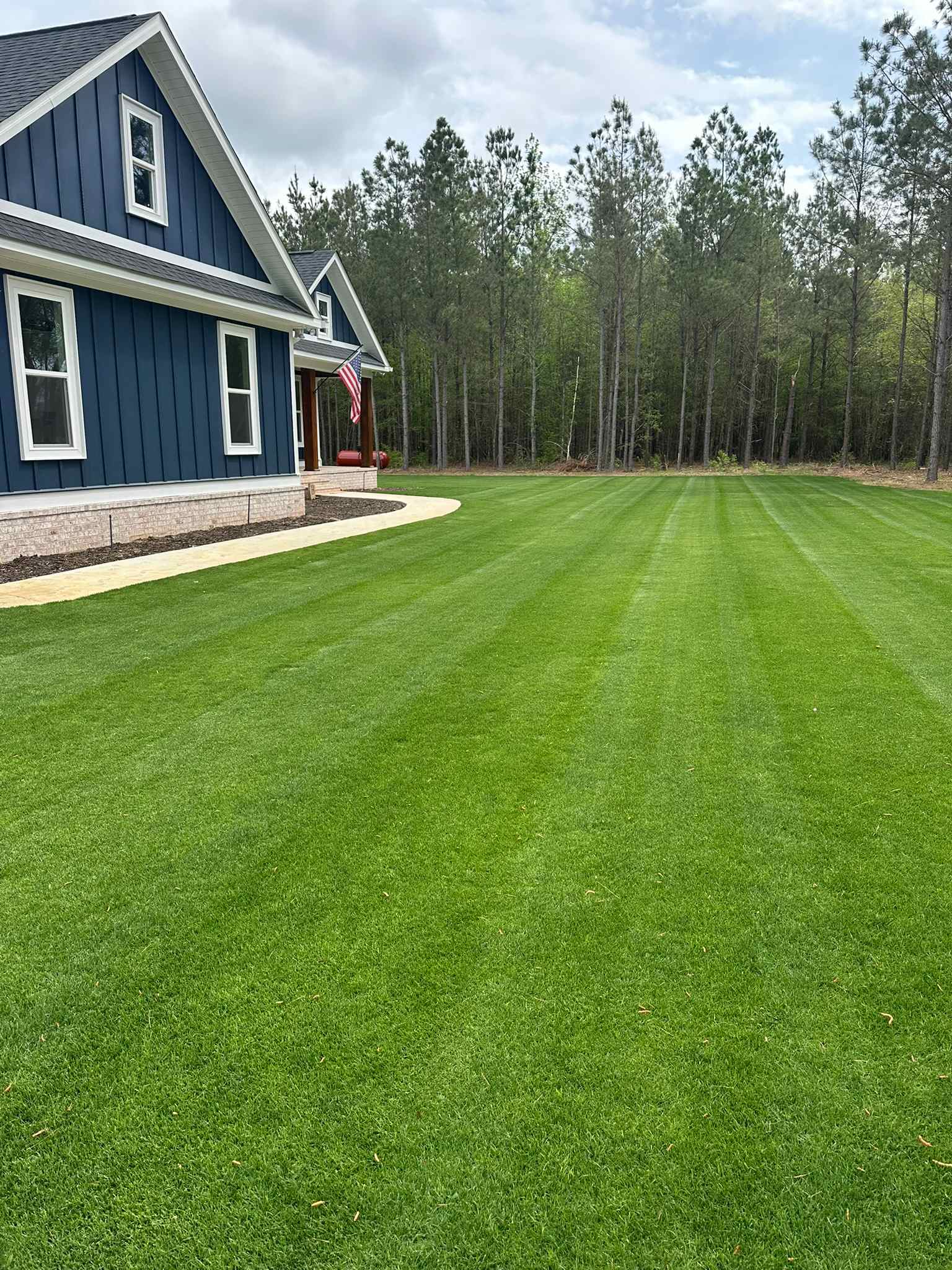
Centipedegrass is a good example. Clemson recommends no more than 2 pounds of nitrogen per 1,000 square feet a year for centipede, and overfeeding it leads to centipede decline, with dead patches showing up in early spring. Clemson also notes that centipede struggles in deep sand where nematodes are present and in heavy clay with poor drainage, and Edgefield County has both. Knowing the grass comes first.
Clemson’s grass comparisons help with the rest. Bermudagrass has very poor shade tolerance and zoysiagrass has excellent shade tolerance, so a yard with big oaks or pines can end up with thin bermuda under the trees and full turf in the sun. Tall fescue does best in heavier clay soils, and bahiagrass grows better in sandy soil than most other lawn grasses. When one yard holds more than one grass, the treatment plan has to account for each of them.
Fertilizing Clay and Sandy Lawns
On the clay side of the county, roots have a hard time pushing down through compacted soil. On the sandy side, water moves through quickly and can carry nutrients below the roots, so a lawn may green up after a feeding and fade again sooner. Our fertilization program spreads the work over eight visits a year and changes with the season. After a wet stretch we may add more pre-emergent, and sometimes we melt granular fertilizer down into a liquid so other products can go out with it.
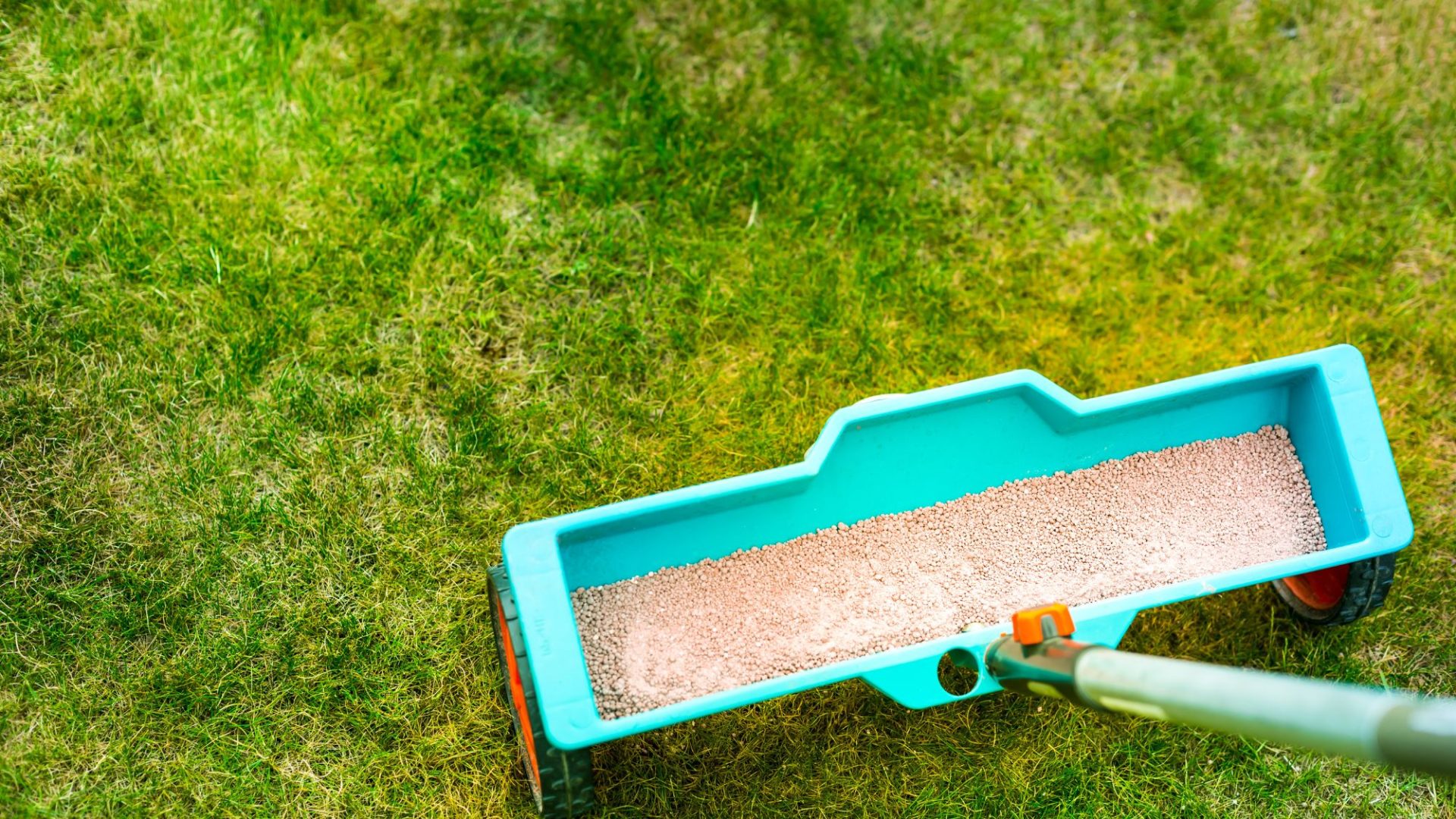
We also offer fertilization for trees and shrubs. Foundation shrubs and yard trees compete with the lawn for water and nutrients, and on thin sand or hard clay they often need feeding of their own. The lawn program is priced by lawn size, which we measure from a satellite image of the property.
Weed Control Through the Seasons
Weeds in Edgefield come in two waves. Summer annuals sprout in spring, and cool-season weeds come up in fall and grow through the winter while warm-season grass is dormant. Our weed control services use pre-emergent applications timed ahead of each wave to stop seeds from germinating, and post-emergent treatments for weeds that are already up, from broadleaf weeds like clover to grassy weeds.
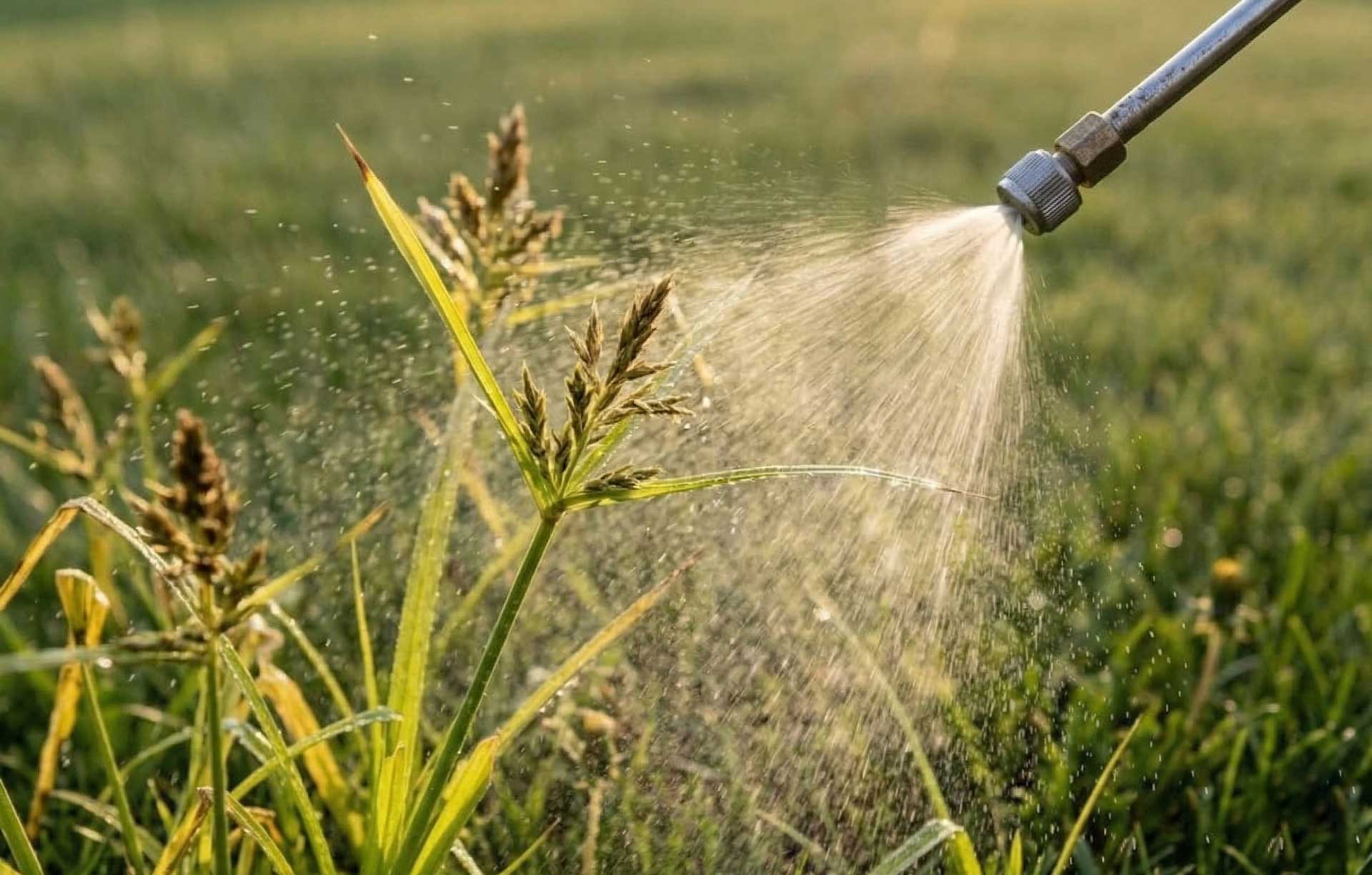
Weed control works best alongside fertilization and aeration services. A thick, well-fed lawn leaves less bare ground for weeds to move into, and loosening compacted clay helps the grass fill thin spots. It takes about a full year of treatments to build a lawn up, so the first season is the start of the work.
Rain plays a part too. Pre-emergent works as a barrier near the soil surface, and a very wet season can wear it down sooner, especially on sandy ground where water moves through quickly. After a lot of rain we may add another pre-emergent application to keep weeds from getting a start.
Core Aeration for Edgefield Clay
Aeration pulls small plugs of soil out of the lawn so air, water, and nutrients can reach the roots. It does the most good on the clay side of Edgefield County, where foot traffic, mowers, and summer heat pack the ground down and rain runs off instead of soaking in.
Warm-season lawns are best aerated from late spring into early summer, while the grass is growing fast enough to fill the holes back in. Following core aeration with a fertilization round gives nutrients a direct path into the root zone.
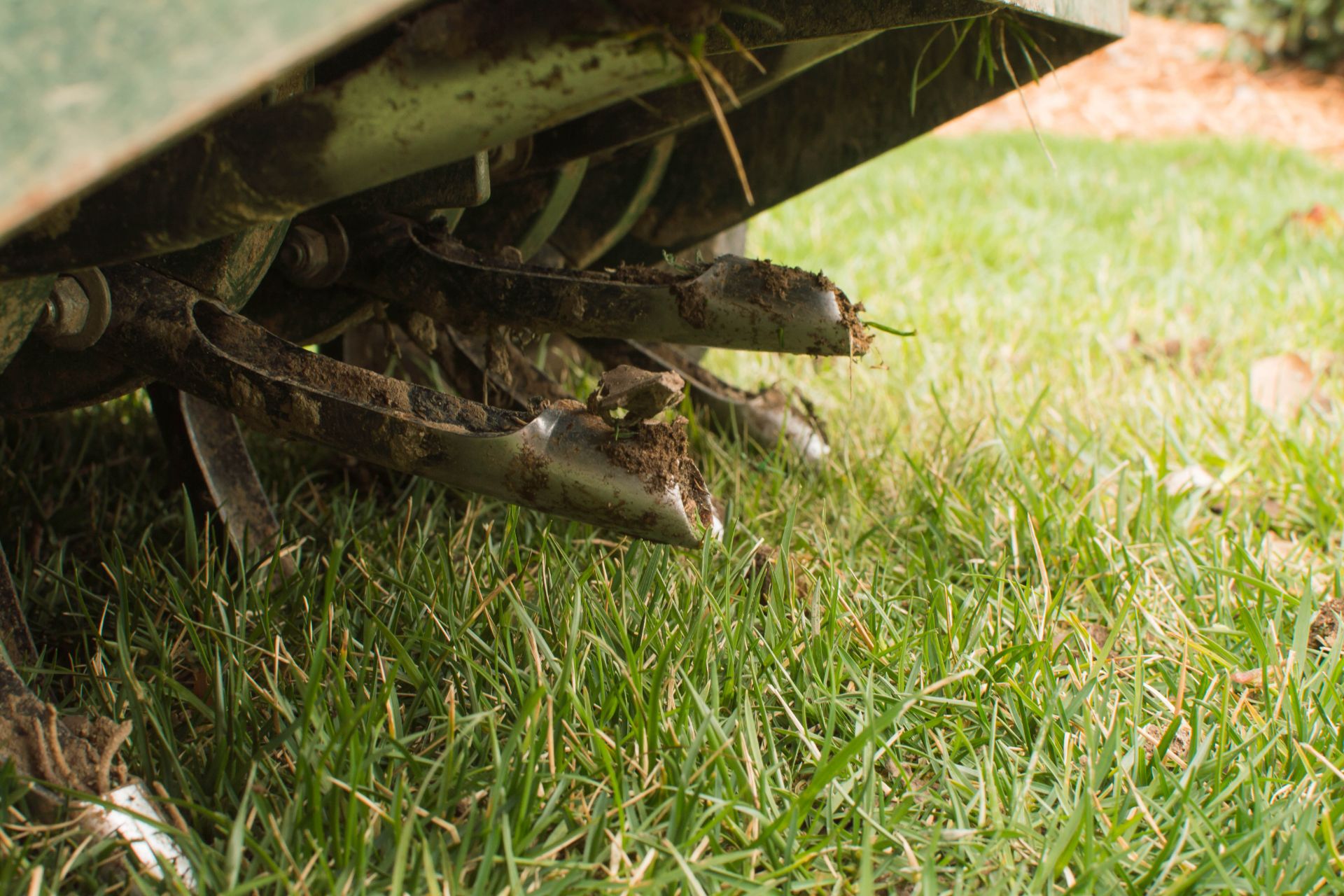
Lawns on sandy ground compact less and usually need aeration less often, though heavy-use areas and thatch can still call for it. Ask us whether your lawn would benefit from aeration services.
Complete the form below and someone from our team will reach out: