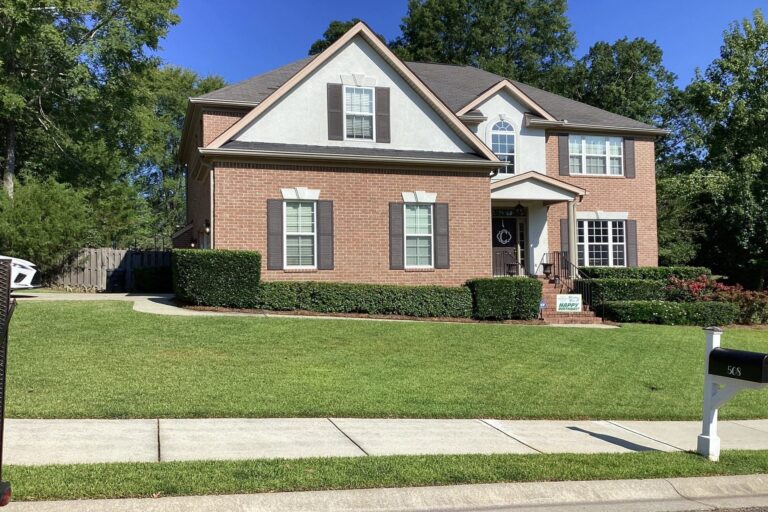

Preparing Your Lawn for Fall in the CSRA
The Central Savannah River Area’s (CSRA) unique climate presents specific challenges for fall lawn care. With its extended growing season and mild winters, proper preparation is crucial for warm-season grasses like Bermuda and Zoysia. This article focuses on two essential fall lawn care practices for CSRA homeowners: aeration and fertilization.
As autumn approaches, CSRA lawns require targeted care to ensure winter survival and spring vitality. We’ll explore why aeration is critical for our clay-rich soils and how it enhances water absorption and root growth. Additionally, we’ll discuss fertilization strategies tailored to the CSRA’s soil composition and fall weather patterns.
By implementing these region-specific practices, homeowners can fortify their lawns against winter stresses and promote robust growth in the coming year. This guide aims to equip CSRA residents with the knowledge needed to make informed decisions about fall lawn care, ensuring healthy, resilient lawns throughout the seasons.
Benefits of Fall Aeration for CSRA Lawns
In the CSRA, our clay-heavy soil can be a real headache for lawn lovers. This dense, compacted soil acts like a heavy blanket, restricting airflow and nutrients to your grass. That’s where aeration comes in—it’s like giving your lawn a fresh, revitalizing breath. Here’s why your lawn will thank you for this fall maintenance routine:
- Soil Decompaction: Our clay soil tends to get compacted, especially after summer’s foot traffic and heat. Aeration breaks up this tough layer, helping roots grow deeper and access essential nutrients.
- Better Water Absorption: With fall showers being hit or miss, aeration makes sure that rainwater doesn’t just run off. It helps it soak into the root zone where it’s most needed.
- Improved Nutrient Uptake: Aeration creates channels in the soil that let fertilizers and organic matter reach the roots more effectively.
- Thatch Reduction: Even though thatch isn’t a huge issue for warm-season grasses, it can still build up. Aeration helps break it down, supporting a healthier lawn.
- Stronger Roots: As winter approaches, aeration gives your lawn’s roots a boost, helping them better withstand cold weather and potential ice storms.
When to Aerate Your CSRA Lawn for Best Results
Timing is crucial for lawn care, and in the CSRA, the window for fall aeration is pretty specific. Here’s when you should plan to get it done:
- Late September to Early November: This is the ideal period for aeration, giving your lawn enough time to recover before winter sets in.
- Soil Temperature: Aim for when the soil temperature is between 55-65°F. A good local hint: Watch the dogwoods—when their leaves start turning, it’s time to aerate.
- Moisture Levels: Plan to aerate 2-3 days after a good rainfall or irrigation. The soil should be moist but not soggy for the best results.

Aeration Techniques Specific to CSRA Soil Conditions
When it comes to aerating the stubborn clay soils of the CSRA, a one-size-fits-all approach won’t do. Our unique soil conditions require specific techniques to get the best results. Here’s how to handle aeration effectively in our region:
- Core Aeration: This is the best approach for our heavy clay. Use a machine that removes 2-3 inch cores, spaced about 3-4 inches apart.
- Depth Matters: In areas with really compacted clay, like parts of Richmond County, aim for a penetration depth of at least 3 inches.
- Multiple Passes: One pass won’t cut it for CSRA lawns. Make at least two passes, crossing each other, to ensure thorough coverage.
- Leave the Plugs: Unlike sandy soils, leave the clay plugs on the lawn. They’ll break down over time, adding valuable nutrients back into the soil.
- Slope Awareness: For hilly areas in North Augusta or parts of Aiken, aerate across the slope rather than up and down to avoid erosion.
The Importance of Fall Fertilization in the CSRA
As summer winds down, fall fertilization becomes key to getting your lawn ready for winter and setting it up for a strong start in spring. Here’s why it’s so important for CSRA lawns:
- Root Development: Our mild winters allow roots to keep growing even when the grass slows down on top. Fall fertilization supports this growth, helping your lawn establish a strong root system.
- Nutrient Storage: Fertilizing in the fall gives your lawn a chance to store essential nutrients in the roots. These nutrients will be ready to fuel a quick, lush green-up when spring arrives.
- Winter Hardiness: Proper fall fertilization boosts your lawn’s cold tolerance, which is crucial for handling the occasional freeze we experience in the CSRA.
- Weed Prevention: A well-fed, healthy lawn is better at fending off winter weeds like annual bluegrass, which can be a problem if your lawn is stressed or weak.
- Spring Head Start: By taking care of your lawn in the fall, you’ll enjoy a vibrant, green lawn earlier in spring.

Selecting the Right Fertilizer for CSRA Lawns
Before you grab just any bag of fertilizer, remember that our unique CSRA soil needs special attention. With our prevalent Cecil sandy loam, which is acidic and low in potassium, choosing the right fertilizer is crucial.
Look for a fertilizer with:
- A balanced N-P-K ratio (like 10-10-10 or 12-12-12)
- Slow-release nitrogen to feed your lawn over time
- Extra potassium to correct soil deficiencies
- Micronutrients such as iron and manganese, which our soil often lacks
Application Techniques
Applying fertilizer isn’t just about tossing it around. For the best results in our sandy soils, follow these tips:
- Use a spreader: A broadcast or drop spreader ensures even application.
- Calibrate correctly: Avoid over-applying to prevent nutrient runoff into the Savannah River.
- Water lightly after applying: This helps nutrients penetrate the soil without washing them away.
- Avoid fertilizing before heavy rain: Autumn storms can wash away your efforts and money.
Ideal Fall Fertilization Timing for CSRA Grass Types
For most CSRA lawns, the ideal time for fall fertilization is:
- Warm-season grasses (like Bermuda and Zoysia): Aim for early to mid-September.
- Cool-season grasses (such as Tall Fescue): Target mid-September to early October.
Autumn in the CSRA can be unpredictable, with temperatures sometimes lingering in the 70s even in October. Watch both the calendar and the thermometer. The ideal time to fertilize is when nighttime temperatures drop consistently below 65°F but before the first frost, which usually hits around November 15th.
Fertilization Tips for Different Grass Types in the CSRA
Different grasses in the CSRA have distinct fertilization needs. Here’s a quick guide to help you get the most out of your lawn care:
- Bermudagrass:
-
- This staple of CSRA lawns thrives with higher nitrogen levels. Look for a fertilizer with a ratio like 16-4-8.
- You can also give it a lighter application in late October if needed.
- Zoysiagrass:
- A drought-tolerant favorite that requires less nitrogen compared to Bermuda. A balanced 10-10-10 fertilizer works well.
- Usually, a single fall application is sufficient.
- Centipedegrass:
- Known as the low-maintenance choice, it needs minimal fertilizer. A light application of 5-5-15 is often all that’s required.
- Be cautious with over-fertilizing, as it can lead to thatch buildup and winter damage.
- Tall Fescue:
- Ideal for shady areas, it benefits from two fall applications—one in early September and another in late October.
- Use a high-nitrogen fertilizer, like 32-0-10, for the best results.
By following these tips tailored to your grass type, you’ll keep your lawn healthy and ready to handle both our mild winters and hot, humid summers.
Wrap Up Your Fall Lawn Care with Experts for a Thriving CSRA Yard
Proper fall lawn care is essential for a thriving yard in the Central Savannah River Area. By applying these region-specific aeration and fertilization techniques, you’re setting the stage for a resilient, beautiful lawn that will flourish through our unique climate cycles.
Remember, the unique climate and soil conditions of Augusta and surrounding areas demand specialized care. For expert assistance with your fall lawn preparations, trust the local knowledge of Augusta Grass Masters. We understand the intricacies of CSRA lawns and can help you achieve optimal results. Call us at 706 916 3799 or use our contact form to schedule your fall lawn care consultation today. Let’s ensure your lawn enters the cooler season strong and emerges in spring looking better than ever!