
Why Winter Weed Control Is Essential for Georgia Lawns in 2025
Winter in Georgia may seem like a time to take a break from lawn care, but it’s actually a critical season for weed prevention. The state’s mild winters create an environment where many invasive weed species can germinate, even when other plants are dormant. Without proactive measures, these weeds can establish themselves early, making them harder to control during the growing season.
Skipping the winter rounds to save money usually costs more by spring. Here is why a neglected lawn is not quoted at a higher price, and what does change the number.
Key benefits of winter weed control:
- Stops weeds before they sprout. Pre-emergent herbicides can prevent the seeds of common weeds like crabgrass and chickweed from germinating.
- Saves time and effort later. Addressing weeds in winter reduces the need for intensive treatments in spring and summer.
- Improves overall lawn health. A weed-free lawn faces less competition for nutrients, water, and sunlight.
By taking action, homeowners in Georgia can set the foundation for a beautiful, weed-free lawn throughout 2025.
Winter Weeds in Georgia: What Are You Fighting?
In Georgia’s relatively warm climate, winter weeds are a persistent issue. While many think weeds only thrive in spring and summer, certain types germinate and grow during the cooler months, especially when lawns are dormant. Recognizing these weeds is the first step in managing them effectively.
Common winter weeds in Georgia include:
- Henbit – A fast-growing broadleaf weed with purple flowers.
- Chickweed – A low-growing plant with small white flowers.
- Annual Bluegrass (Poa annua) – A grassy weed that invades thin or bare areas.
- Hairy Bittercress – Known for its rapid seed spread when disturbed.
- Wild Onion and Wild Garlic – Perennial weeds that thrive in winter.
These weeds are more than just an eyesore—they compete with your grass for vital resources, like nutrients and water. Without intervention, they can quickly spread, making your lawn uneven and patchy.
Why winter weeds thrive in Georgia:
- Georgia’s mild winters often lack prolonged frost periods, allowing weeds to germinate early.
- Dormant warm-season grasses like Bermuda or Zoysia are less competitive during this time, giving weeds the upper hand.
Proper identification and targeted treatment are essential to keep these winter invaders at bay.
The Science Behind Winter Weed Control: Why Timing Matters
In lawn care, timing is everything, and winter is no exception. Many homeowners overlook this season, assuming their dormant grass doesn’t require attention. However, weeds operate on a different schedule. They often germinate in late fall and early winter, establishing roots while the grass is inactive. These weeds are primed to spread further unless addressed.
The critical role of pre-emergent herbicides
Pre-emergent treatments are designed to stop weeds before they can sprout. When applied in winter, these herbicides create a barrier in the soil, targeting weed seeds before they germinate. This approach is particularly effective against annual weeds like crabgrass and bluegrass, which often start their growth cycle unnoticed beneath the surface.
Why waiting until spring is too late:
- By spring, weeds are already growing and may require more intensive post-emergent treatments.
- Established weeds can weaken the lawn’s ability to recover from dormancy.
- Proactive winter care saves both time and money by reducing the need for reactive treatments later.
In Georgia, where the ground rarely freezes for extended periods, this is a prime month for applying pre-emergent herbicides. This window ensures the best protection while minimizing the chances of weeds taking hold during warmer months.
Practical Steps for Effective Winter Weed Control
To keep Georgia lawns healthy and weed-free through the winter, a combination of chemical treatments and cultural practices is key. Here’s how to tackle weeds strategically during the cooler months:
1. Start with Pre-Emergent Herbicides
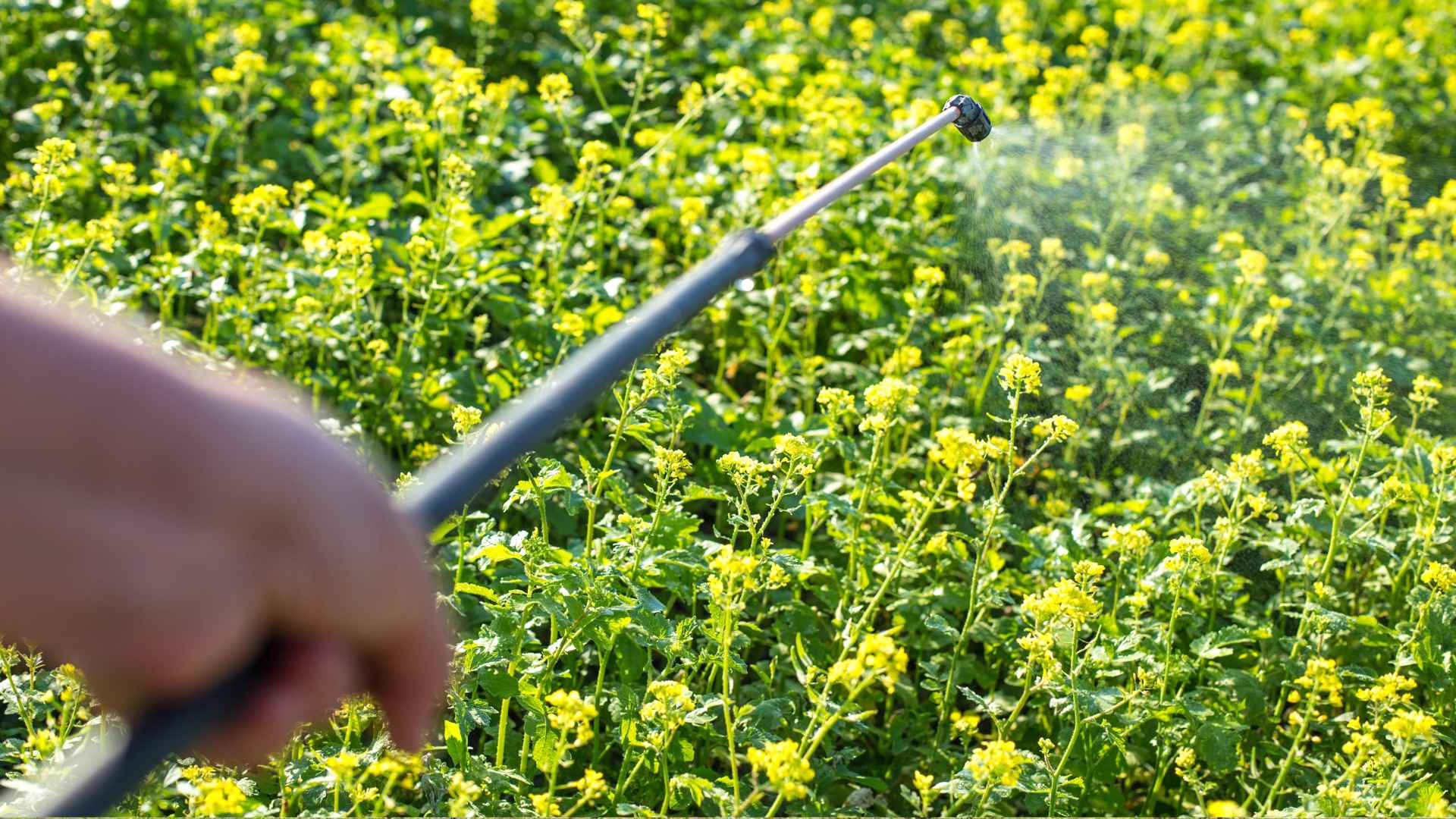
Applying a pre-emergent herbicide is one of the most effective ways to prevent weeds from sprouting. Focus on areas that are prone to weed growth, such as thin or bare spots. Follow these tips for success:
- Choose a product specifically labeled for winter weeds.
- Apply during a dry spell to avoid herbicide runoff.
- Water lightly after application to activate the herbicide.
2. Address Existing Weeds with Spot Treatments
If weeds have already appeared, use a post-emergent herbicide to tackle them directly. Target problem areas rather than treating the entire lawn to minimize stress on the grass.
3. Mow Smart
Maintain your lawn at the proper height for its grass type, even during winter dormancy. Regular mowing can help control weeds like wild onion and garlic, which tend to grow taller than the grass.
Consistency is crucial. Tackling weeds now ensures your lawn is ready to thrive when Georgia’s growing season begins.
Start 2025 With a Weed-Free Lawn
Winter weed control is a crucial part of maintaining a healthy, vibrant lawn in Georgia’s mild climate. By addressing weeds, homeowners can take advantage of the season to prevent weed germination, manage existing invaders, and prepare their lawn for a strong start to spring.
Remember, the best strategy combines proactive treatments like pre-emergent herbicides with smart lawn care practices. These efforts not only keep weeds at bay but also ensure your grass has the resources it needs to grow thick and resilient throughout the year.
If you’re ready to take the hassle out of winter weed control, Augusta Grass Master is here to help. With expertise in Georgia’s unique lawn care challenges, we offer professional solutions tailored to your yard’s needs. Call us at (706) 916-3799 to schedule your weed control service today and start 2025 with a lawn you’ll love.