Lawn Care vs. Lawn Maintenance: What Your Georgia Lawn Needs
Lawn maintenance is the routine upkeep of a yard: mowing, edging, trimming and cleanup. Lawn care is the treatment side: fertilization, weed control, disease and insect treatment, and aeration. Maintenance keeps a lawn tidy, while lawn care keeps the turf healthy. A Georgia warm-season lawn needs both.
What is the difference between lawn maintenance and lawn care?
The two terms get mixed up, and some companies use them interchangeably. That is where confusion over quotes starts. A simple way to separate them: maintenance is about how the lawn looks this week, and lawn care is about what the grass and soil can do over the whole season.
- Lawn maintenance: mowing, edging, trimming and blowing off hard surfaces. The goal is a neat, even-looking yard, and the work is busiest from spring through early fall.
- Lawn care: fertilization, weed control, disease and insect treatment, and aeration. The goal is thick, healthy turf that holds up against weeds and stress, and the work is timed to soil temperature and grass growth through the year.
The takeaway: maintenance alone may not fix a thin, weedy lawn, and lawn care does not replace regular mowing. Good mowing habits can help turf density and crowd out some weeds, but they do not feed the soil or stop every weed problem. The two jobs work together, and a good-looking lawn usually has both in place.
What does lawn maintenance include for a Georgia lawn?
Maintenance is mostly mowing, plus the cleanup around it. For Bermuda, zoysia, centipede and St. Augustine, that usually means:
- Mowing on a regular schedule during the growing season, at a height that suits the grass type
- Edging along sidewalks, driveways and beds
- Trimming around trees, fences and mailboxes
- Clearing leaves and debris so they do not smother turf
Mowing habits do affect lawn health. Scalping a lawn or cutting it with a dull blade stresses the grass and can open the door to weeds. Still, mowing by itself does not feed the lawn or stop weeds from germinating.
One thing to be upfront about: Augusta Grass Masters started in 2009 as a mowing business, but the owners sold off the mowing, maintenance and landscape installation side years ago. We do not mow today. Our focus is the lawn care side.
What does professional lawn care include?
Lawn care is the work that happens on the turf and in the soil. Our lawn care services cover fertilization, weed control, aeration, lawn disease and lawn insects, along with mosquito control and shrub and tree fertilization, disease and insect treatment. Here is how the main pieces work.
Fertilization
Warm-season grasses feed heavily when they are actively growing and very little when they are dormant. Good fertilization is about the right product at the right time, not the most product. A soil test removes a lot of guesswork.
Weed control
Pre-emergent products control susceptible weeds as they germinate and establish, so timing matters more than quantity. Post-emergent treatments handle weeds that are already up. Georgia lawns deal with summer weeds and winter weeds, so one application a year rarely covers it.
Disease and insect treatment
Fungal diseases and pests like armyworms or mole crickets can damage a lawn quickly. The key is catching them early, which means someone looking at the turf rather than spraying on autopilot.
Aeration
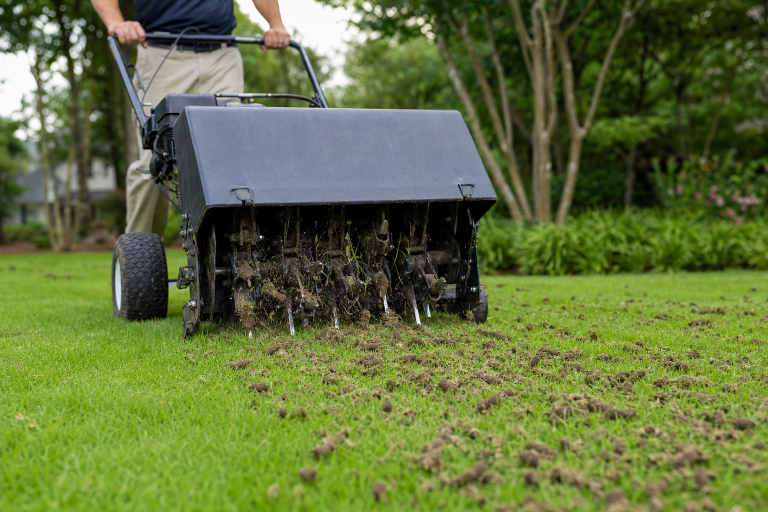
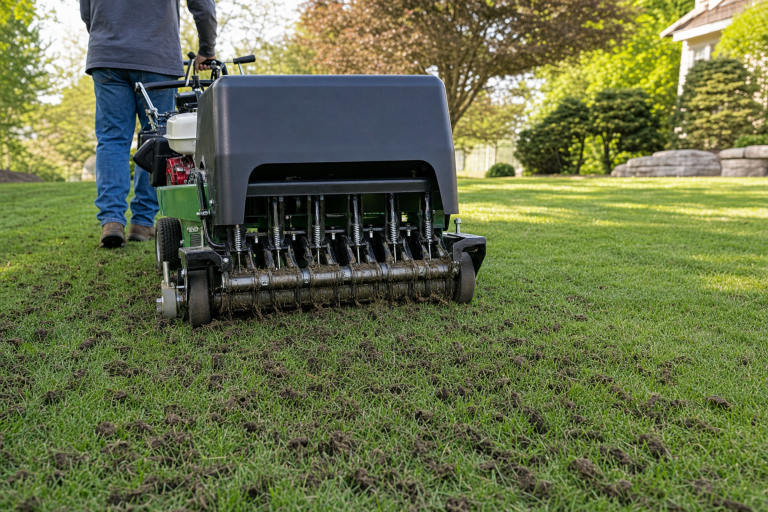
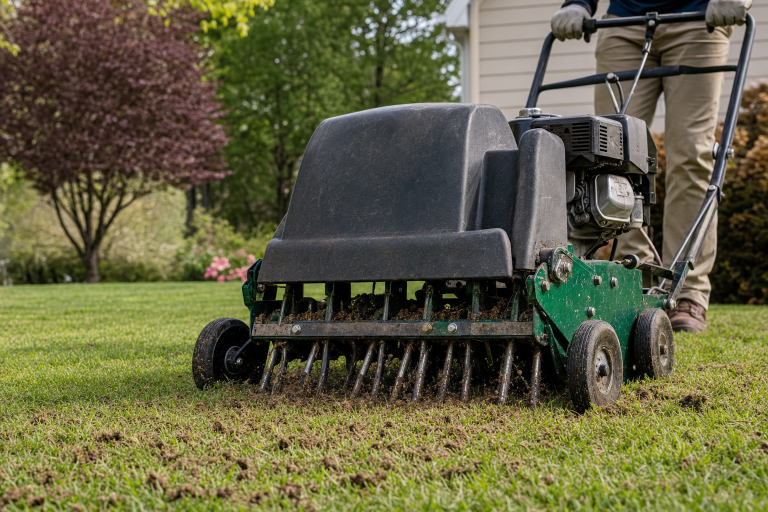
Compacted soil, which is common in clay, can keep water, air and nutrients from reaching roots. Aeration opens that up and helps everything else you put on the lawn work better.
Before anything comes off our truck, every property gets walked. What a lawn needs depends on the grass, the soil, the shade and what has been going on in that yard.
Why do warm-season lawns in Georgia need both, and when does each matter most?
Warm-season grasses grow hard from late spring through summer, then slow down and go dormant after frost. That cycle splits the year into two jobs.
Maintenance peaks in the growing season. Mowing is weekly or close to it from late spring into early fall. It slows down and usually stops in late fall once the grass goes dormant.
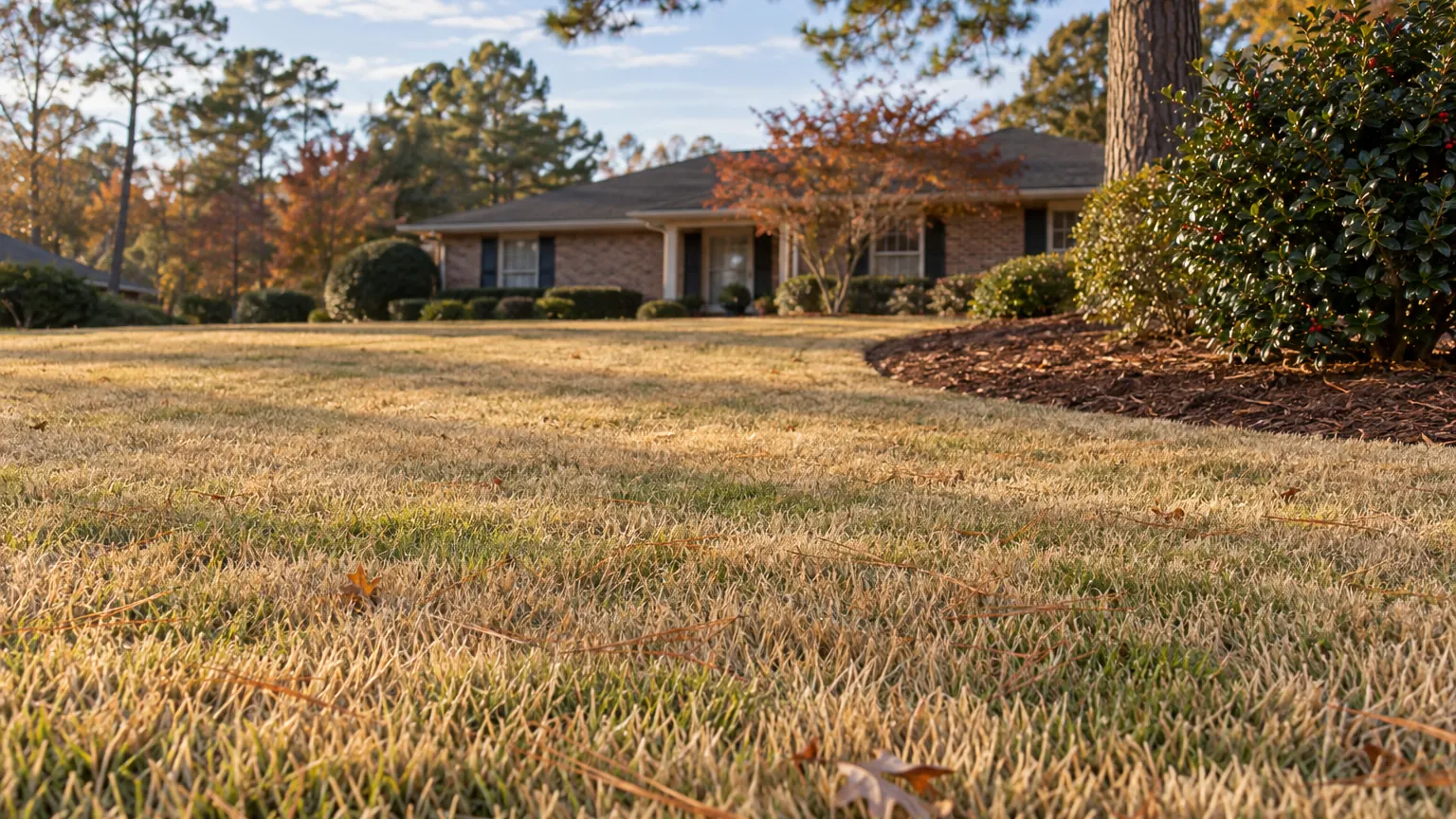
Lawn care matters year-round. Dormant grass is not growing, but weeds can be. Winter weeds germinate in fall and grow while your lawn sleeps, so fall pre-emergent timing is a big deal. In spring, pre-emergent for summer weeds needs to go down before those weeds emerge, while the first feeding of the grass is better timed after green-up, once the lawn is actively growing. Summer brings the disease and insect pressure.
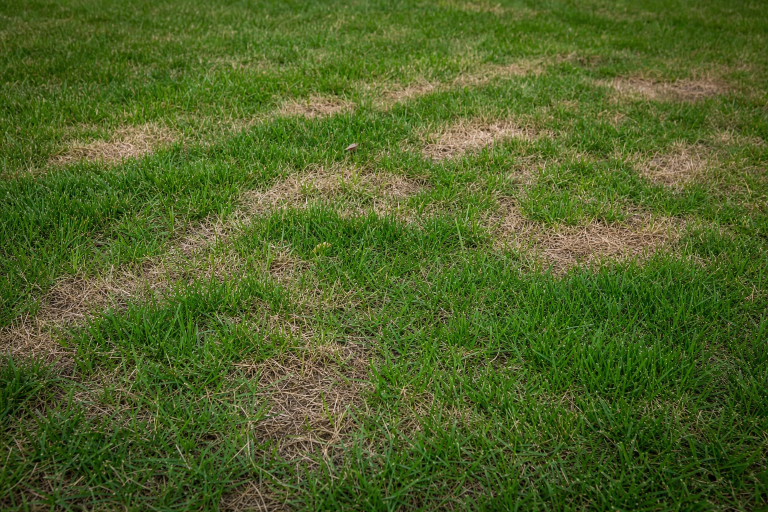
A common pattern: a lawn is mowed on schedule all summer but never fed or treated, and by fall it is thin, patchy and full of weeds. The mowing was done right. The turf just had nothing behind it.
Do you need separate companies for mowing and lawn care?
Sometimes, and that is fine. Some companies specialize in one or the other, and others offer both. A mowing crew is typically built around speed and routing, while a lawn care technician is built around timing, products and diagnosing problems. Either setup can work when the scope is clear.
If you split the work, a few things help:
- Tell each company who does the other job, so nobody assumes the other is handling it
- Ask your mower to keep a consistent height and clean clippings off beds and walkways
- Let your lawn care company know about any problem spots you notice while the lawn is being mowed
If one company offers both, check what the lawn care side actually includes. A few fertilizer rounds added to a mowing service is a different scope than a program built around your grass type and soil, so compare what each one covers.
How do you decide what your lawn needs going into winter and spring?
Start with what the lawn looks like right now, not with what a service list says.
- Walk the lawn. Look for thin areas, bare patches, winter weeds starting to come up and compacted or hard soil.
- Identify the grass. Bermuda, zoysia, centipede and St. Augustine each have different needs for feeding and mowing.
- Think about last season. Did weeds keep coming back? Did you see disease spots or insect damage? Those patterns tell you what to plan for.
- Separate the jobs. Decide who handles mowing in spring, and who handles fertilization, weed control and any treatments.
- Plan timing early. Pre-emergent works best when it goes down before the target weeds start to emerge. The first spring feeding generally waits until the grass has greened up and is actively growing, with the exact timing depending on your grass type and local conditions.
If you are not sure what your lawn needs, get in touch with us. We will talk through what you are seeing, and you will hear from the people who run the company.
Frequently asked questions
Does lawn care include mowing?
Usually not. Lawn care typically means fertilization, weed control, disease and insect treatment and aeration, while mowing falls under lawn maintenance. Some companies bundle both, so ask exactly what is included. Augusta Grass Masters does not mow.
Can I hire one company for mowing and another for fertilization and weed control?
Yes, and many homeowners do. Mowing crews and lawn care technicians have different skills and schedules. Just make sure each company knows the other is involved, and share any problem areas you notice.
Is lawn care still needed when the grass is dormant in winter?
Yes, for weed control in particular. Winter weeds can grow while warm-season grass is dormant, and fall pre-emergent timing helps keep them down. Dormant lawns also benefit from planning ahead, with spring feeding timed for after green-up.
What should a lawn care program cover for Bermuda, zoysia or centipede grass?
A good program covers fertilization timed to growth, pre-emergent and post-emergent weed control, and monitoring for disease and insects. Each grass has different feeding needs, and centipede is especially sensitive to overfeeding. Aeration and soil testing round it out.
How do I compare lawn care quotes that include different services?
Line up the quotes by what is actually covered: number of visits, type of weed control, disease and insect treatment, and aeration. Ask what is extra and what happens if weeds return between visits. A quote with fewer services may cost less and still be the right fit, as long as it covers what your lawn needs.