
Mole Crickets in Augusta Lawns: Spot the Signs
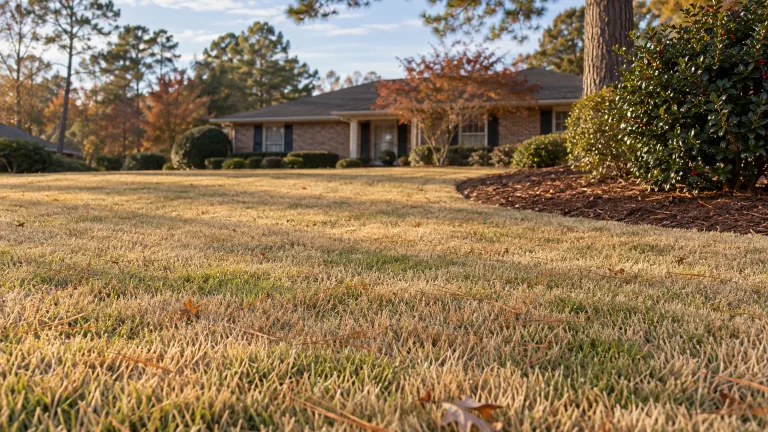
A brown or spongy patch is a clue, not a diagnosis. Mole crickets live and move below the grass, where tunneling can loosen soil and clip roots. That damage can be easy to confuse with drought stress, disease, or another lawn insect. Before reaching for a treatment, inspect the affected area and look for the pest itself.
This guide covers what mole crickets look like, which signs matter, and why a late-season check is more useful than a guess. Augusta Grass Masters lists lawn insect control in Augusta and serves nearby communities including Augusta, Georgia. The first step for any yard, however, is confirming what is happening in the turf.
Why check for mole crickets in late September?
September is a reason to pay attention, not a signal to apply a blanket treatment. The University of Georgia Extension says adult tawny mole crickets begin appearing in mid-September. Nymphs can still be present, but their activity becomes sporadic as the season advances. UGA also cautions that control can be difficult in fall and recommends limiting treatment to severely damaged areas where grass is dying. Review the UGA Extension fall life-cycle guidance alongside the current mole cricket control overview before making a pesticide decision.
That timing makes a late-September walk-through worthwhile if a patch is changing, but it does not prove mole crickets are active in your yard. Weather, turf condition, and the insect species all matter. A treatment calendar cannot replace an inspection. Mark the affected area, look for more than one clue, and ask for help if the evidence is unclear.
What does a mole cricket look like?
UGA Extension describes mole crickets as light brown, with a short, stout pair of forelegs shaped for digging. Adults can reach about 1.5 inches long. Younger nymphs resemble smaller adults but do not have wings. Those spade-like front legs are a useful identification clue, but a quick glimpse is not always enough to distinguish a mole cricket from other insects. If you find one, take a clear photo next to a coin or ruler and keep the insect available for identification.
Georgia has several mole cricket species, and UGA identifies the tawny and southern mole crickets as the pest species. The University notes that mole crickets occur primarily in sandy Coastal Plain soils. Do not assume that any single brown spot in an Augusta-area lawn means mole crickets are present. Confirm the insect and the damage pattern first. UGA’s reviewed publication on mole crickets in turf provides more detail on species, life cycle, and management limits.
What mole cricket damage can look like
Mole crickets burrow below the surface and create tunnels. UGA Extension explains that tunneling loosens soil, makes it dry out more quickly, and clips grass roots. Affected turf may feel less firmly attached than nearby healthy grass. You may also notice loosened soil or a rough, uneven surface. Those clues deserve a closer look, but none of them alone confirms the pest.
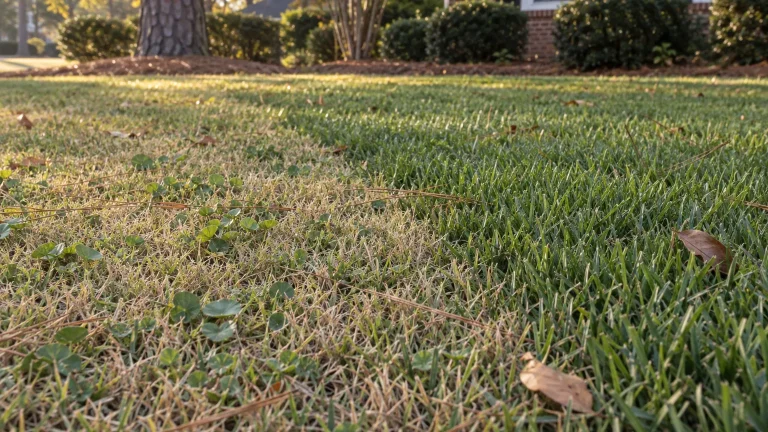
Start by comparing the damaged area with a nearby section of healthy grass. Check whether the turf lifts unusually easily, whether roots look clipped, and whether you can find a mole cricket beneath the canopy or just below the soil surface. If you only see a discolored patch, do not label it insect damage yet. Watering issues, disease, mowing stress, and other pests can also change turf color or density.
For a different insect problem that shows up above the soil, see our guide to armyworm warning signs in Augusta lawns. The point is not to diagnose by comparison alone. It is to inspect the grass, soil, and insect together before choosing a response.
A practical inspection you can do before calling
You do not need to dig up the whole lawn. A short, consistent inspection gives you better information than a quick look from the driveway:
- Map the patch. Take a photo from the same spot and note the edge of the thinning or brown area. Check again later to see whether it has changed.
- Compare the turf. Gently tug a few grass blades and inspect a small edge of the affected patch. Note whether the grass is firmly rooted or comes up easily, and whether roots appear clipped.
- Look for the insect. Check just beneath the grass canopy and in loose soil near the damage. Do not rely on a tunnel or brown color by itself.
- Record the conditions. Note recent irrigation, rainfall, mowing, and whether the patch is in sun or shade. These observations help a lawn-care professional or Extension agent consider other causes.
- Keep a sample only if you can do so safely. Photograph any insect clearly. Avoid handling unknown pests with bare hands, and do not apply a pesticide just to see whether the lawn changes.
If the area is small and stable, document it and continue observing. If grass is dying, the damage is spreading, or you find an insect but cannot identify it, move from observation to a proper diagnosis.
Could it be disease or another lawn problem?
Brown grass is a symptom shared by many different problems. Mole cricket damage involves tunneling and root clipping, but color alone does not show what caused the stress. When the grass blades or patch pattern suggest disease instead, compare the symptoms with Augusta Grass Masters’ lawn disease service information. A correct diagnosis matters because an insect treatment will not fix a disease, and a disease treatment will not remove a soil-dwelling insect.
Augusta Grass Masters also has a broader lawn insect control FAQ for Augusta homeowners. Use it for general questions, then keep your own notes and photos specific to the problem area. If the diagnosis remains uncertain, the right next step is an inspection, not a stronger product.
What should you do about late-season damage?
Follow current local guidance rather than copying a spring or summer treatment schedule. UGA Extension says fall control is difficult because weather, mole cricket activity, and dispersal can be unpredictable. Its guidance is to treat only severely damaged areas where grass is dying and to spot-treat where appropriate. UGA also directs readers to their County Cooperative Extension Office for current pesticide recommendations.
That is a useful boundary for homeowners: confirm the pest, judge whether the damage is serious, and get a current recommendation for the specific site before using a pesticide. Read and follow the product label exactly if a pesticide is recommended. Do not broadcast a product over healthy turf simply because mole crickets appear on a calendar or because one patch is brown.
If you want a professional to assess the lawn, start with the company’s lawn care service overview and ask what inspection and treatment options fit your property. A careful diagnosis can separate mole cricket activity from disease or other turf stress and help avoid an unnecessary application.
Frequently asked questions
Are mole crickets active in Georgia in September?
UGA Extension reports that adult tawny mole crickets begin appearing in mid-September. Nymph activity can become sporadic as fall progresses, so local signs should be confirmed rather than assumed.
How can I tell if mole crickets are damaging my lawn?
Look for a combination of loose or uneven turf, soil tunnels, clipped roots, and an identifiable mole cricket. A brown patch by itself is not enough to confirm the cause.
Should I treat mole crickets in the fall?
UGA says fall control can be difficult and recommends treatment only for severely damaged areas where grass is dying. Ask your county Extension office or a qualified lawn-care professional for current, site-specific guidance before applying a pesticide.